Seeing Safety, Hearing Rescue: Drones Elevate Emergency Response to New Heights
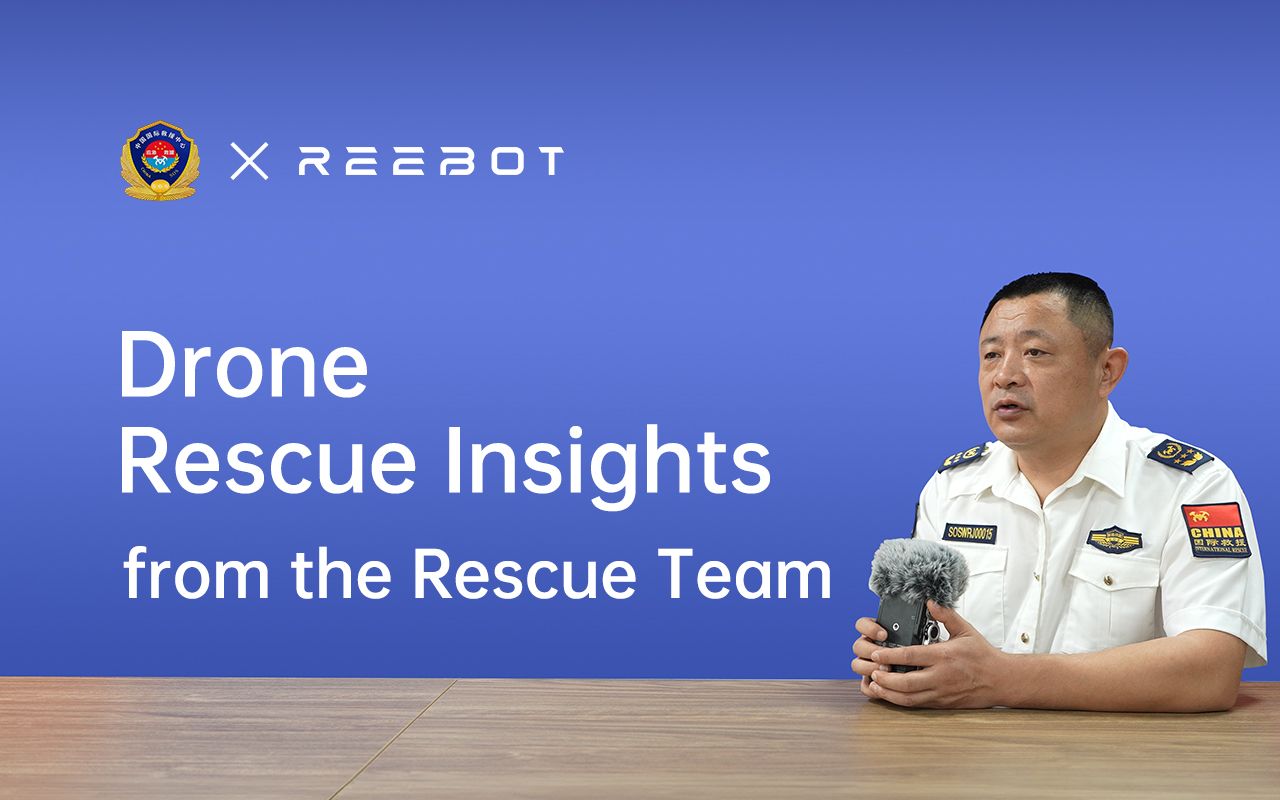
Interview with He Lei, Inspector-in-Chief, Drone Rescue Division, China International Rescue Center
Nighttime searches with limited visibility, ineffective ground lighting, and the perennial challenge of locating victims in open water—these issues have long constrained emergency response teams. Today, with rapid advancements in aerial technologies, Drones have become a critical force multiplier in frontline rescue operations.
In a recent interview, He Lei, Inspector-in-Chief of the Drone Rescue Division at the China International Rescue Center, shared his firsthand experience with the Reebot UniDrone E900 Emergency Response System, revealing how technology is reshaping the tempo and precision of life-saving missions.
Tackling Nighttime Rescue Challenges: When Traditional Tools Reach Their Natural Limits
Reflecting on earlier nighttime operations, He Lei noted the inherent complexities: “Limited visibility is the primary challenge. Conventional lighting typically covers a relatively small area, demands significant power, and often requires multiple personnel for setup. In water-rescue missions, where a victim’s exact location may be unclear, ground-based lighting struggles to provide sufficient reach, making target identification more difficult.”
The inherent constraints of conventional lighting and search tools—particularly in range, penetration, and mobility—affect operational efficiency in complex scenarios and increase the safety requirements for personnel on the ground.
Technology as a Force Multiplier: UniDrone E900 Enables True Multi-Role Capability
According to He Lei, the introduction of the UniDrone E900 has transformed their operational workflow: “This aircraft genuinely delivers multi-role capability. It supports mission-ready payload switching—high-power lighting, voice broadcast, thermal imaging, and payload drop—covering the full spectrum of emergency response tasks.”
During nighttime missions, its elevated illumination combined with high-resolution thermal video dramatically improves target acquisition: “We locate victims much faster, and ground teams no longer operate in blind zones. The improvement in situational awareness is significant.”
Designed for Fast Response: Low-Training, High-Efficiency Deployment
For emergency responders, usability is mission-critical. He Lei highlighted the E900’s operational efficiency: “Deployment is extremely fast. The ground control interface is intuitive, and a single operator can manage takeoff, payload switching, and video downlink without assistance.”
He emphasized that in time-sensitive rescues, low operational complexity and rapid task readiness allow the aircraft to seamlessly integrate into the rescue workflow—making it a highly practical tool for frontline teams.
Full-Cycle Support: Drones Integrated Into Every Stage of the Rescue Chain
In real missions, the UniDrone E900 now supports the entire rescue cycle:
Search & Detection: Dual-spectrum (thermal + visible light) imaging rapidly identifies victims.
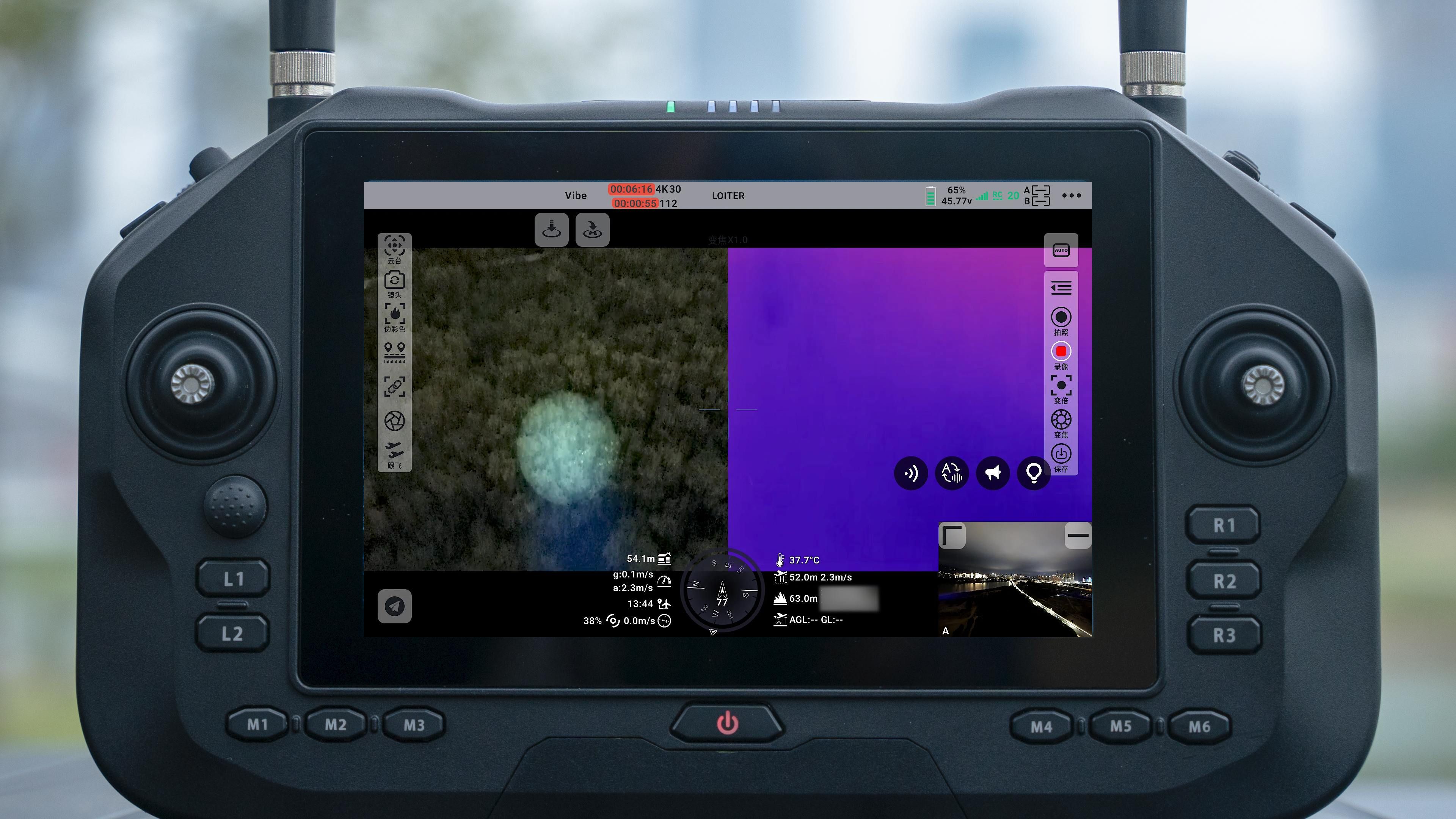
Illumination & Guidance: The onboard spotlight illuminates access routes while the loudspeaker stabilizes victims and provides clear instructions.

Command & Coordination: Real-time video and telemetry feed directly to command units for precise route planning and team coordination.
Payload Delivery: When required, the aircraft can deploy life rings, first-aid supplies, and other emergency materials.
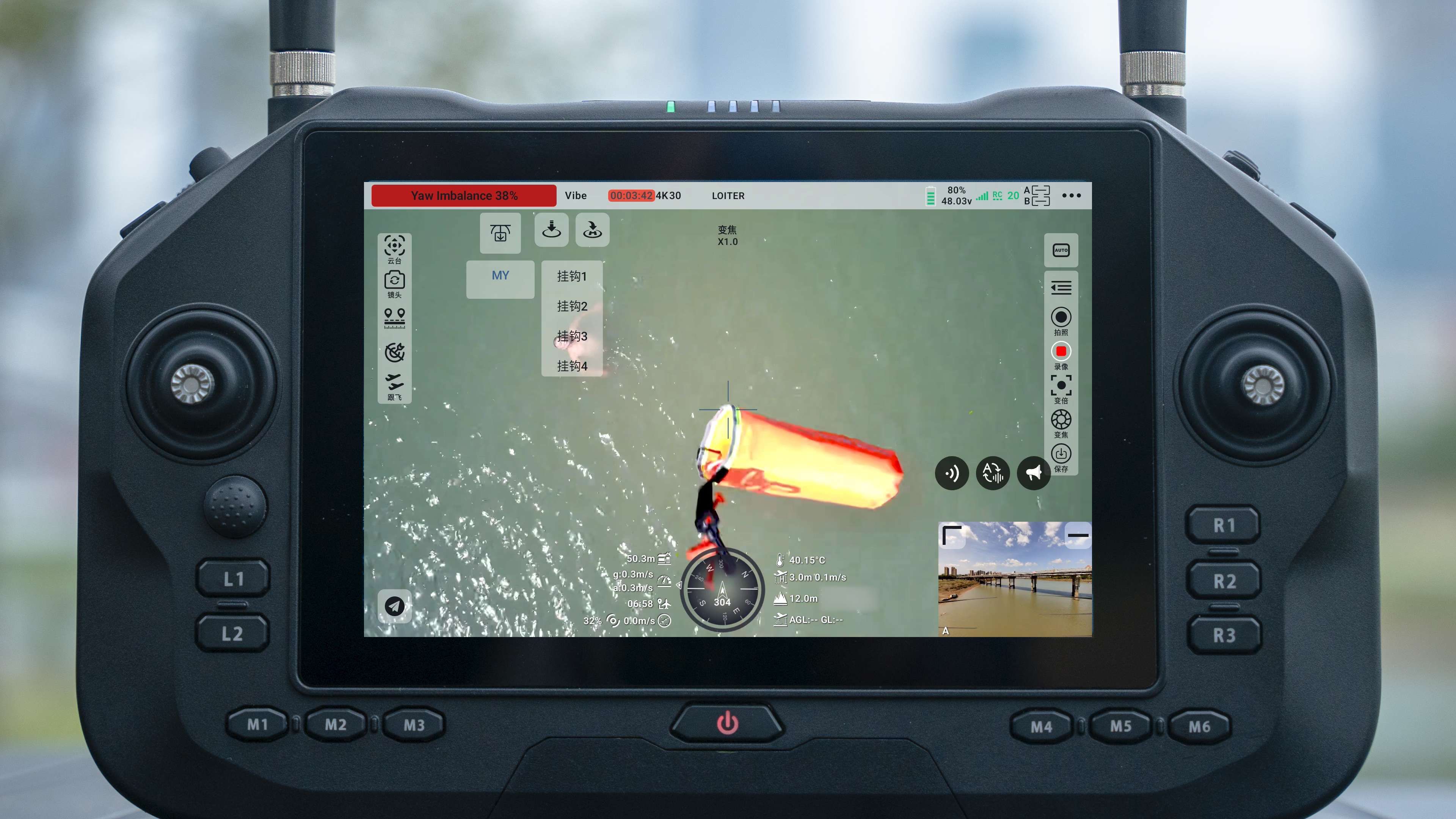
This air-to-ground collaborative workflow significantly reduces mission time while limiting the exposure of personnel to high-risk zones.
Core Strength: Dual-Spectrum Imaging + AI Super-Resolution for Precise Target Identification
When asked which feature has proven most valuable, He Lei pointed to the E900’s search capabilities: “In emergency rescue, finding the victim first is everything. The dual-spectrum synergy is exceptionally effective—thermal imaging detects heat signatures through darkness or smoke, while visible-light zoom contextualizes their exact position. With AI super-resolution, thermal clarity and detail recognition are dramatically enhanced, allowing commanders to assess victim posture and condition instantly.”
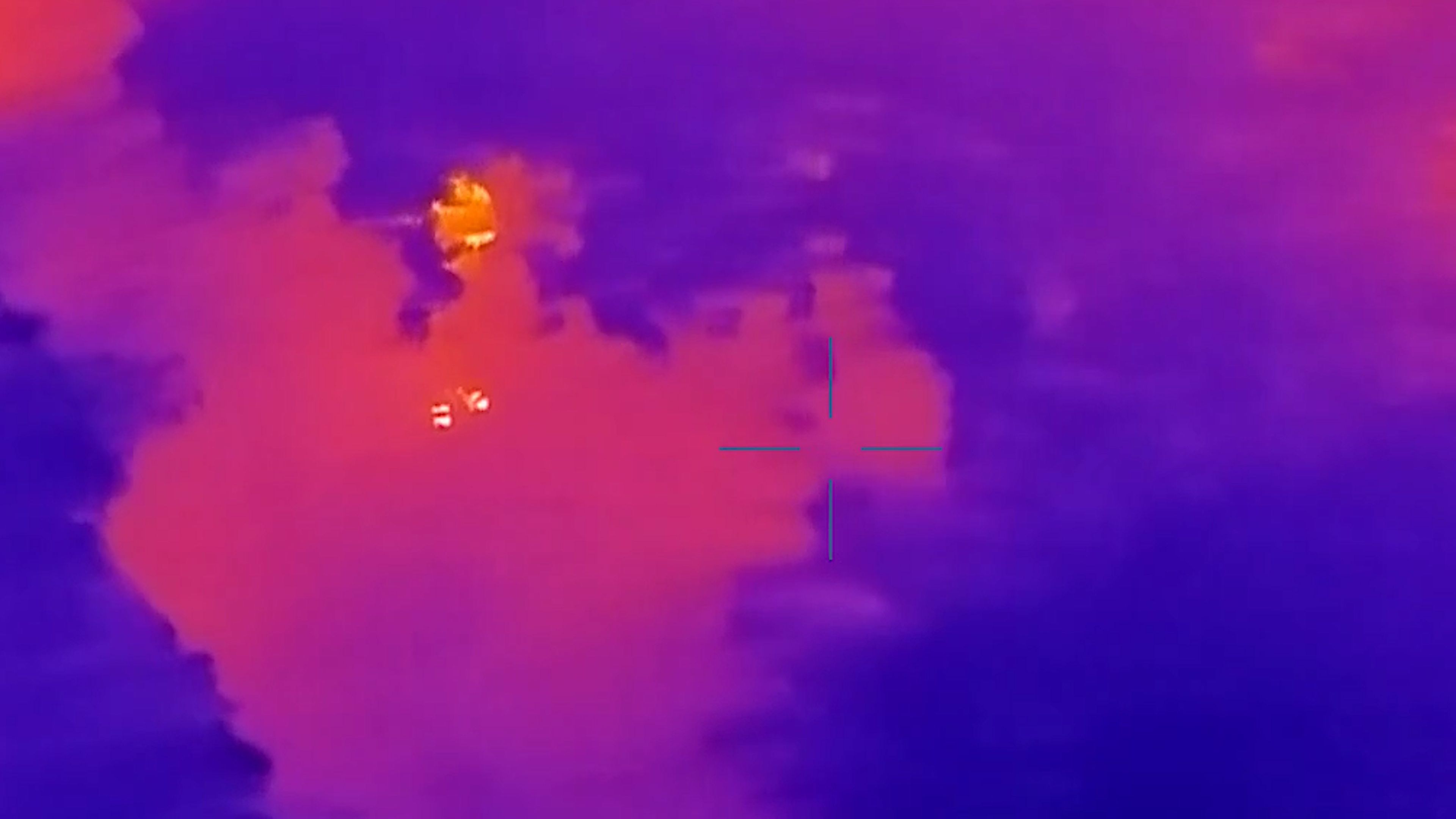
Operational Impact: Enhancing Both Efficiency and Safety
Summarizing the system’s value, He Lei stated: “The impact goes beyond faster missions—it fundamentally upgrades responder safety. Instead of proceeding blindly in the dark, teams now gain a clear overhead picture, precise target location, and clear voice guidance. The UniDrone E900 has strengthened the ‘aerial lifeline’ that protects lives and property during critical missions.”
Reebot will continue advancing UAV technologies purpose-built for emergency response, iterating based on real operational scenarios, and ensuring that more frontline teams gain access to intelligent, reliable, and mission-ready aerial solutions. With innovation as its driving force, Reebot remains committed to reinforcing public safety and building a stronger, technology-empowered emergency response ecosystem.
If you’re interested in more Reebot solution or services, feel free to contact us at: info@reebot.com.




Scan to follow the official account